

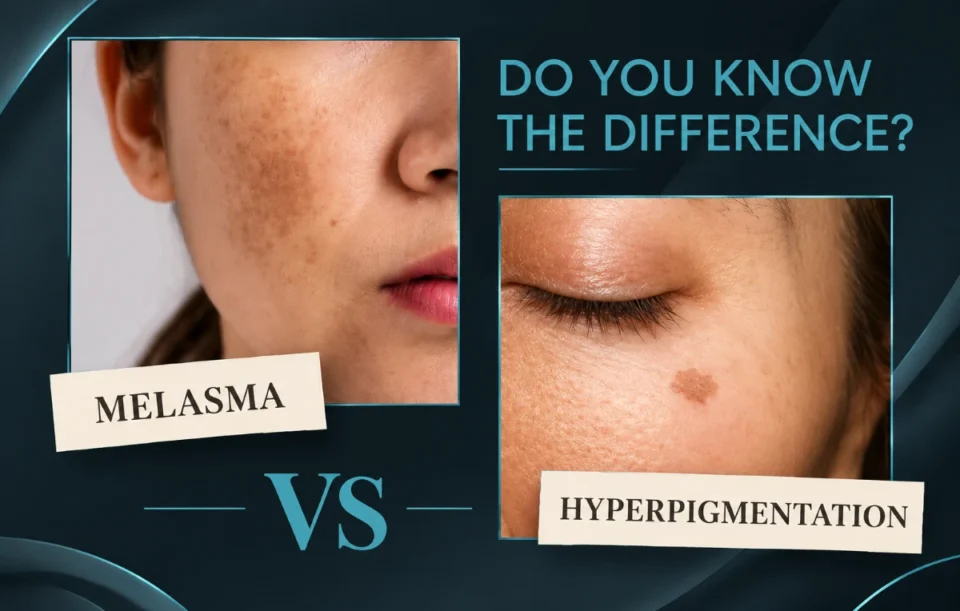
Uneven skin tone and dark patches on the face are common concerns for people living in Dubai. Sun exposure, hormonal changes, acne, and skin irritation can all contribute to pigmentation. However, not every dark patch has the same cause, and the right treatment depends on identifying the underlying condition.
Melasma and hyperpigmentation are related, but they are not the same thing. Understanding the difference can help you make informed decisions about skincare and when to consult a dermatologist.
This guide explains the causes, differences, and treatment options for melasma and other forms of hyperpigmentation, including considerations for people living in Dubai’s sunny climate.
What Is Hyperpigmentation?
Hyperpigmentation is a general term for areas of skin that become darker than the surrounding skin. It develops when excess melanin the pigment responsible for skin colour accumulates in certain areas.
Common causes include:
- Sun exposure: Ultraviolet radiation can increase melanin production and contribute to dark spots.
- Acne and skin inflammation: Pimples, eczema, burns, or irritation may leave dark marks after the inflammation settles.
- Hormonal changes: Hormonal factors can contribute to specific pigmentation conditions, including melasma.
- Age-related sun spots: Repeated sun exposure over time can cause flat brown spots, often on sun-exposed areas.
- Certain medicines or skincare products: Some medicines and irritating or fragranced products can contribute to skin discolouration.
Hyperpigmentation can appear on the face, forehead, cheeks, upper lip, hands, and other parts of the body. Its appearance and treatment depend on the cause, the depth of the pigment, and the individual’s skin type.
What Is Melasma?
Melasma is a chronic pigmentation condition that typically causes brown or grey-brown patches on the face. It commonly appears on the cheeks, forehead, bridge of the nose, and upper lip. The patches are often distributed symmetrically across both sides of the face.
Several factors may contribute to melasma:
- Sunlight and visible light: Exposure can trigger or worsen pigmentation.
- Hormonal influences: Pregnancy and certain hormonal medicines may contribute to its development.
- Genetic factors: A family history of melasma may increase susceptibility.
- Skin type: Melasma is common in people with skin tones that tan easily.
Melasma can improve with treatment, but it may return, particularly after sun exposure or hormonal triggers. Ongoing maintenance and sun protection are often important parts of care.
Melasma vs. Hyperpigmentation: What Is the Difference?
The main difference is that hyperpigmentation describes a broad group of pigmentation changes, while melasma is one specific condition within that group.
| Feature | Melasma | Other forms of hyperpigmentation |
| Appearance | Usually larger, irregular brown or grey-brown patches | May appear as individual spots, marks, or larger areas |
| Common locations | Cheeks, forehead, upper lip and other facial areas | Face, hands, or any area affected by inflammation or sun exposure |
| Common triggers | Sunlight, visible light, hormonal influences and genetics | Sun exposure, acne, irritation, injury, medicines or other skin conditions |
| Course | Often persistent and may recur | Depends on the underlying cause; some marks gradually fade |
| Treatment | Usually requires long-term management | Depends on the specific cause and depth of pigmentation |
These features can overlap, so appearance alone may not be enough to identify the condition. A dermatologist can assess the skin and determine whether the pigmentation is melasma, post-inflammatory hyperpigmentation, sun spots, or another condition.
Why Is Pigmentation a Concern in Dubai?
Dubai has a sunny climate, and regular outdoor exposure can make pigmentation more noticeable or difficult to manage. Ultraviolet radiation and visible light may worsen melasma and some other pigmentary conditions.
Air-conditioned environments, frequent travel between indoor and outdoor settings, and busy schedules can also make consistent sun protection challenging.
A practical skincare routine should therefore include daily sun protection, gentle skincare, and treatment selected according to the type of pigmentation. Sunscreen is important throughout the year, not only during the summer months.
Melasma Treatment in Dubai: What Are the Options?
The appropriate approach to melasma treatment in Dubai depends on the appearance of the patches, skin type, medical history, pregnancy status where relevant, and previous treatments. A dermatologist can recommend a plan based on an individual assessment.
1. Daily Sunscreen and Sun Protection
Sun protection is a key part of managing melasma and many other forms of facial pigmentation.
Helpful measures include:
- Applying a broad-spectrum sunscreen with SPF 50 or higher.
- Reapplying sunscreen according to the product instructions, particularly after sweating, swimming, or extended outdoor exposure.
- Wearing a wide-brimmed hat and seeking shade when possible.
- Considering a tinted sunscreen containing iron oxides, which can provide additional protection against visible light.
- Avoiding intentional tanning and excessive sun exposure.
Consistent protection can help limit further darkening and support other treatments.
2. Prescription Topical Treatments
Depending on the diagnosis, a dermatologist may recommend topical products that help reduce excess pigmentation or regulate skin-cell turnover.
Options may include azelaic acid, retinoids, hydroquinone, or selected combination formulations. The choice depends on the individual’s skin, the type of pigmentation, and potential side effects.
These products are not suitable for everyone. Some can irritate, and inappropriate use may worsen pigmentation. Certain ingredients also require particular caution during pregnancy or breastfeeding.
Avoid using prescription-strength lightening creams, topical steroids, or unregulated skin-whitening products without appropriate medical guidance.
3. Chemical Peels
Chemical peels use selected acids to exfoliate the skin and may help improve certain superficial pigmentation concerns.
However, a peel is not appropriate for every patient. An overly strong peel or poorly selected treatment can cause inflammation, burns, or post-inflammatory hyperpigmentation, especially in darker skin tones.
A qualified dermatologist should assess the skin and determine whether a peel is suitable, which type to use, and how to prepare and care for the skin afterwards.
4. Laser and Light-Based Treatments
Some laser and light-based procedures may be considered for selected pigmentation conditions. However, they are not a guaranteed solution for melasma.
Melasma can recur after treatment, and some procedures may worsen pigmentation or cause new dark or light patches. The risks depend on the diagnosis, device, treatment settings, skin type, and practitioner’s experience.
Before proceeding, discuss the expected benefits, potential risks, alternatives, number of sessions that may be needed, and maintenance requirements with a qualified dermatologist.
Hyperpigmentation Treatment in Dubai: Choosing the Right Approach
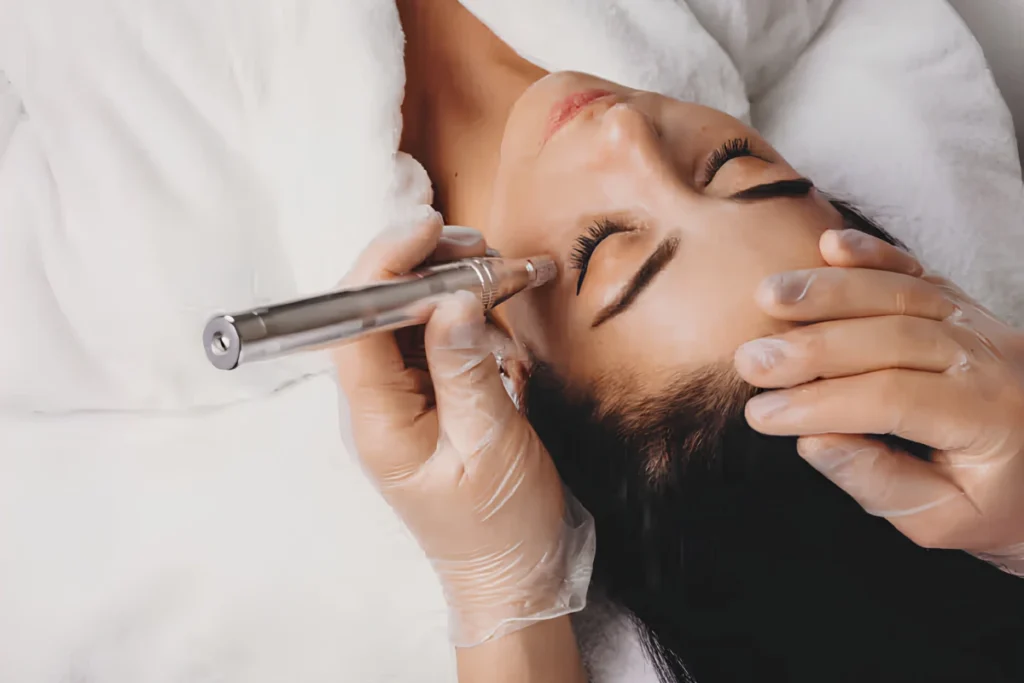
Treatment for other forms of hyperpigmentation differs from melasma management because the underlying cause may be different.
Post-acne dark marks
Dark marks left after acne may gradually fade. Treatment can include controlling active acne, using suitable topical ingredients, and protecting the skin from sunlight. Treating acne early may help reduce the development of additional marks.
Sun spots
Sun-related spots may be assessed for topical treatment or selected procedures. A dermatologist should confirm the diagnosis before treatment, particularly if a spot changes in size, shape, or colour, or looks different from other marks.
Pigmentation caused by irritation
If dark marks develop after using a skincare product or following a skin condition, identifying and managing the source of irritation is important. Aggressive exfoliation or layering multiple active ingredients can make the problem worse.
There is no single pigmentation removal treatment that is suitable for everyone. The best starting point is an accurate diagnosis, followed by a plan that balances potential improvement with skin safety.
How to Prevent Pigmentation From Getting Worse
A consistent, gentle routine can support treatment and help reduce the risk of further pigmentation.
- Use broad-spectrum sunscreen daily.
- Choose gentle cleansers and moisturisers suited to your skin.
- Introduce active skincare ingredients gradually.
- Avoid picking pimples or scratching irritated areas.
- Stop using products that cause persistent burning, redness, or irritation and seek medical advice if symptoms continue.
- Follow your dermatologist’s instructions for treatment and follow-up appointments.
Be cautious of products promising rapid, permanent, or guaranteed skin whitening. Results vary, and aggressive treatment may cause additional skin problems.
When Should You See a Dermatologist for Pigmentation in Dubai?
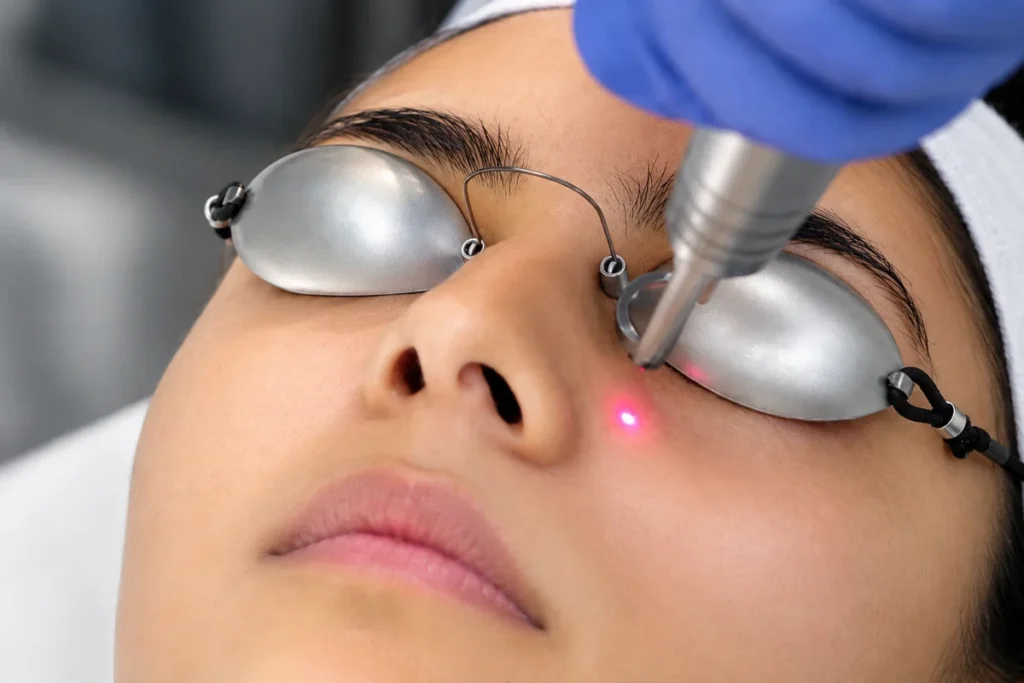
Consider a dermatology consultation if pigmentation persists, spreads, repeatedly returns, or does not improve with gentle skincare and sun protection.
A dermatologist can examine the affected areas, review possible triggers, and recommend treatment based on the type and depth of pigmentation. Depending on the findings, further assessment may be needed.
Seek prompt medical assessment for a new or changing pigmented spot, especially if it changes in shape or colour, develops irregular borders, bleeds, or grows.
Conclusion
Melasma and other forms of hyperpigmentation can look similar, but they have different causes and may require different approaches. In Dubai’s sunny climate, consistent sun protection and careful skincare are important parts of managing facial pigmentation.
If you are concerned about persistent dark patches or uneven skin tone, consult a qualified dermatologist for an accurate assessment and a personalised treatment plan. Understanding the cause of pigmentation is an important first step towards managing it safely.
Frequently Asked Questions
1. Is melasma the same as hyperpigmentation?
No. Hyperpigmentation is a broad term for darker areas of skin, while melasma is a specific condition that commonly causes symmetrical brown or grey-brown facial patches. Acne marks, sun spots, and irritation-related marks are other forms of hyperpigmentation.
2. What is the best melasma treatment in Dubai?
There is no single best treatment for everyone. Management may include consistent sun protection and dermatologist-recommended topical treatments. Selected procedures may be considered in some cases, but they can carry a risk of worsening pigmentation.
3. Can melasma be permanently removed?
Melasma is a chronic condition that can improve with appropriate management, but it may return. Sun exposure and hormonal influences can contribute to recurrence, so ongoing sun protection and maintenance may be necessary.
4. Does sunscreen help with melasma?
Yes. Daily broad-spectrum sunscreen helps reduce the effects of ultraviolet radiation, which can worsen melasma. Tinted sunscreens containing iron oxides may also provide additional protection against visible light.
5. Can chemical peels or lasers make pigmentation worse?
Yes. Depending on the procedure, settings, skin type, and underlying condition, these treatments can cause irritation or post-inflammatory hyperpigmentation. A qualified dermatologist should assess the risks before treatment.
6. How long does pigmentation treatment take to work?
The timeline varies depending on the cause, depth of pigment, treatment approach, and individual skin response. Some pigmentation marks fade gradually, while melasma may require ongoing management. A dermatologist can explain realistic expectations after assessing your skin.
Medical disclaimer: This article is for general educational purposes only and does not replace a medical consultation, diagnosis, or personalised treatment advice. Treatment suitability and outcomes vary from person to person.
Editorial review before publication: Have a qualified dermatologist or the clinic’s medical director review the clinical content, confirm any clinic-specific service claims, and approve the final version in line with applicable UAE healthcare requirements.
Category
Latest From Blog
Acne Scars Treatment: Types, Best Treatment Options and Expected Results
Melasma vs. Hyperpigmentation: Causes, Differences and Treatment Options in Dubai