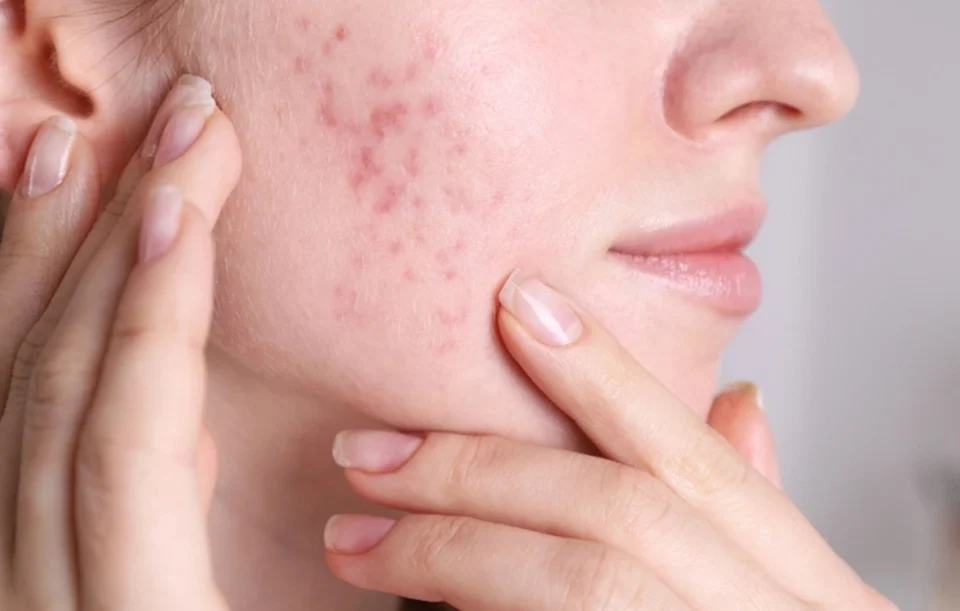
Acne can leave behind more than occasional breakouts. For some people, it causes uneven skin texture, indented scars, raised marks, or dark spots that remain after pimples heal. These changes can affect confidence and may not improve with regular skincare alone.
If you are considering acne scar treatment in Dubai, understanding your scar type is an important first step. Different scars respond to different treatments, and some marks that appear to be scars are actually temporary pigmentation.
This guide explains the common types of acne scars, available treatment options, expected results, and what to discuss with a dermatologist before starting treatment.
What Causes Acne Scars?
Acne scars can develop when inflammation damages the skin during an acne breakout. As the skin heals, it produces collagen to repair the affected area. If too little collagen forms, an indentation may develop. If too much collagen forms, the scar may become raised.
Deep or inflamed acne lesions, including nodules and cysts, carry a greater risk of scarring. Picking, squeezing, or repeatedly irritating pimples can also increase the risk.
Early management of active acne can help reduce the chance of new scars developing.
Types of Acne Scars
Identifying the type of scar helps a dermatologist select an appropriate treatment. Many people have a combination of scar types, so more than one approach may be considered.
1. Ice Pick Scars
Ice pick scars are narrow, deep indentations that extend into the skin. They may look like small holes and can be difficult to treat because of their depth.
Depending on their characteristics, treatment may involve selected chemical techniques, such as TCA CROSS, or other dermatologist-performed procedures. The choice depends on scar depth, skin type, and the risk of pigmentation changes.
2. Boxcar Scars
Boxcar scars are wider depressions with more clearly defined edges. They may be shallow or deep and commonly appear on the cheeks and temples.
Treatment options may include microneedling, selected laser procedures, subcision, or other techniques. The most suitable option depends on the depth and shape of the scar.
3. Rolling Scars
Rolling scars create a wavy or uneven appearance across the skin. They may develop when fibrous bands beneath the skin pull the surface downward.
Subcision, a procedure that releases these bands, may be considered for suitable rolling scars. It can sometimes be combined with other treatments to address surface texture or volume loss.
4. Raised Acne Scars
Some scars form above the surrounding skin because excess collagen develops during healing. These may be hypertrophic scars or keloids.
Raised scars require a different approach from indented scars. Depending on the diagnosis, treatment may include injections, selected laser procedures, or other medical treatments. Keloids can recur, so follow-up may be necessary.
Acne Scars vs. Post-Acne Marks: What Is the Difference?
Not every mark left after acne is a permanent scar.
- Post-inflammatory hyperpigmentation: Flat brown, dark, or greyish marks that develop after inflammation.
- Post-inflammatory redness: Flat pink or red marks that may remain after a breakout.
- Atrophic scars: Indented areas caused by changes in the skin’s structure.
- Raised scars: Thickened areas of skin that develop during healing.
Flat post-acne marks may fade gradually, although the process can take time. Treatment may include appropriate topical products and sun protection. Indented or raised scars involve structural changes and usually require a different treatment plan.
A dermatologist can help distinguish between these conditions and recommend suitable care.
Acne Scar Treatment in Dubai: Available Options
There is no single treatment that works equally well for every type of acne scar. The approach depends on scar depth, skin tone, whether acne is still active, medical history, and the potential benefits and risks of each procedure.
1. Microneedling
Microneedling uses fine needles to create controlled micro-injuries in the skin, stimulating a wound-healing response and collagen production.
It may help improve the appearance of certain atrophic acne scars and uneven skin texture. Several sessions may be needed, and improvement generally develops gradually as the skin heals.
Temporary redness, swelling, discomfort, and changes in pigmentation are possible. Professional assessment is particularly important for people prone to post-inflammatory hyperpigmentation.
2. Radiofrequency Microneedling
Radiofrequency microneedling combines microneedles with radiofrequency energy delivered into the skin. It is used to stimulate collagen remodelling and may be considered for selected acne scars.
The suitability of this treatment depends on the type of scarring, skin characteristics, and medical history. It may require multiple sessions, and results vary. Potential risks include burns, prolonged redness, scarring, and pigment changes.
Discuss the device, practitioner’s qualifications, expected recovery, and alternatives before proceeding.
3. Laser Resurfacing
Certain laser treatments can improve skin texture and reduce the visibility of selected acne scars by stimulating collagen remodelling or resurfacing parts of the skin.
Ablative and non-ablative lasers work differently and involve different levels of downtime and risk. Laser treatment is not appropriate for every scar type, and some settings may increase the risk of pigmentation changes, particularly in darker skin tones.
A dermatologist should determine whether laser resurfacing is suitable and explain the likely recovery period and limitations.
4. Chemical Peels
Chemical peels use carefully selected acids to exfoliate the skin. They may help with certain superficial acne-related marks and, in selected cases, some forms of scarring.
Peels vary in strength and depth. They are not interchangeable, and deeper treatments carry greater risks. Irritation, burns, infection, and post-inflammatory hyperpigmentation can occur if the treatment is unsuitable or poorly performed.
A professional assessment helps determine whether a peel is appropriate for your skin and concerns.
5. Subcision
Subcision is a procedure used for selected depressed scars, particularly rolling scars that are tethered to underlying tissue.
A dermatologist uses a specialised instrument beneath the skin to release fibrous bands pulling the scar downward. It may improve the contour of suitable scars and may be combined with other procedures when appropriate.
Bruising, swelling, discomfort, infection, and other complications are possible. Not all scars benefit from subcision, and additional treatment may be needed.
6. TCA CROSS and Other Targeted Procedures
TCA CROSS is a specialised technique in which a high-concentration trichloroacetic acid solution is applied to selected narrow, deep scars by a trained clinician. It is sometimes considered for ice pick scars.
The treatment requires careful technique because it can cause irritation, scarring, or pigment changes. It should not be attempted at home.
Other targeted procedures may be considered after assessment, depending on scar type and individual needs.
7. Treatment for Raised Scars
Raised acne scars need a different strategy from pitted scars. Depending on whether the scar is hypertrophic or a keloid, a dermatologist may recommend injections, selected laser treatment, or other approaches.
Some raised scars require repeated treatment, and keloids may return. The treatment plan should account for the patient’s history of abnormal scarring.
What Results Can You Expect from Acne Scar Treatment?
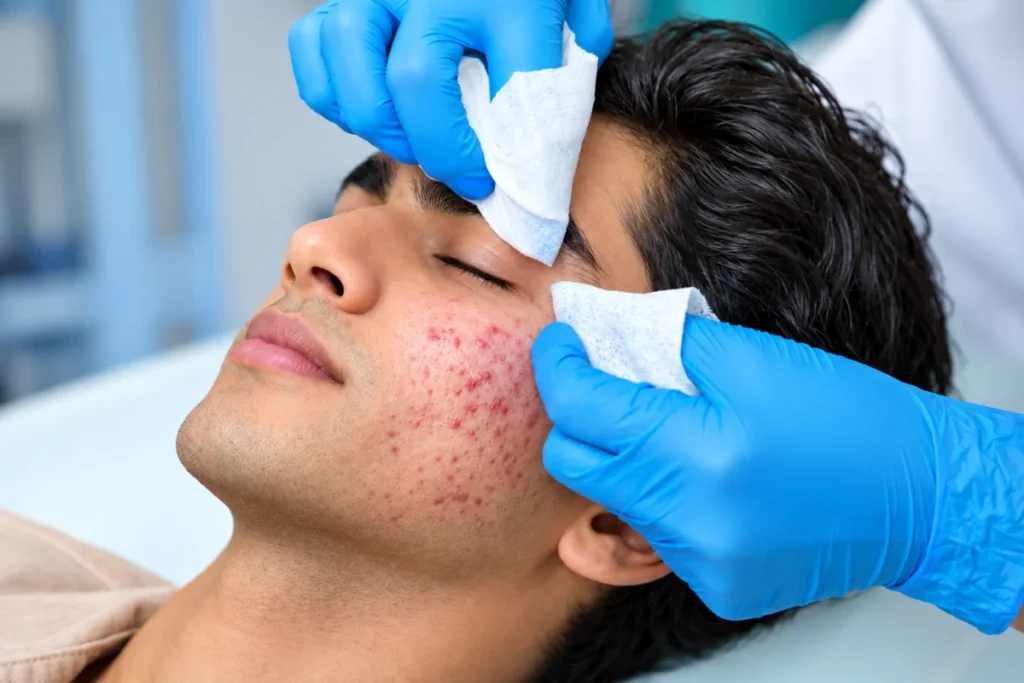
The expected outcome depends on the type, depth, and age of the scars, the treatment selected, and the skin’s healing response.
- Texture improvement: Some treatments may make indentations less noticeable and improve the overall skin surface.
- Gradual changes: Collagen remodelling takes time, so results may continue to develop after the procedure.
- Multiple sessions: Several sessions or a combination of treatments may be recommended.
- Maintenance or additional care: Some people need further procedures or ongoing acne management.
- Incomplete correction: Treatment may improve the appearance of scars without removing them completely.
No procedure can guarantee a particular result. During consultation, ask your dermatologist what degree of improvement is realistic for your specific scar type and whether the risks and recovery time suit your needs.
How Long Does Acne Scar Treatment Take?
The timeline varies by procedure and individual healing response. Some treatments involve temporary redness or swelling, while others may require a longer recovery period.
Improvements from collagen-stimulating procedures generally develop gradually over weeks to months. A treatment plan may involve several appointments spaced apart to allow the skin to heal.
Before starting treatment, ask about:
- The number and spacing of sessions that may be needed.
- Expected downtime and aftercare.
- When improvement may become noticeable.
- Potential side effects and pigment changes.
- Whether active acne needs treatment first.
Your dermatologist can provide a more realistic timeline after examining your skin.
How to Care for Your Skin Before and After Treatment
Appropriate preparation and aftercare can support healing and help reduce avoidable irritation.
- Use a gentle cleanser and moisturiser.
- Apply broad-spectrum sunscreen daily and follow advice on reapplication.
- Avoid picking, squeezing, or scratching acne lesions.
- Follow the clinician’s instructions about pausing retinoids, exfoliating acids, or other active products before and after procedures.
- Avoid unapproved home microneedling devices and strong chemical peels.
- Contact your healthcare provider if you develop severe pain, increasing redness, spreading swelling, fever, or other concerning symptoms after treatment.
If acne remains active, controlling breakouts is an important part of reducing the risk of further scarring.
Choosing a Dermatologist for Acne Scars in Dubai
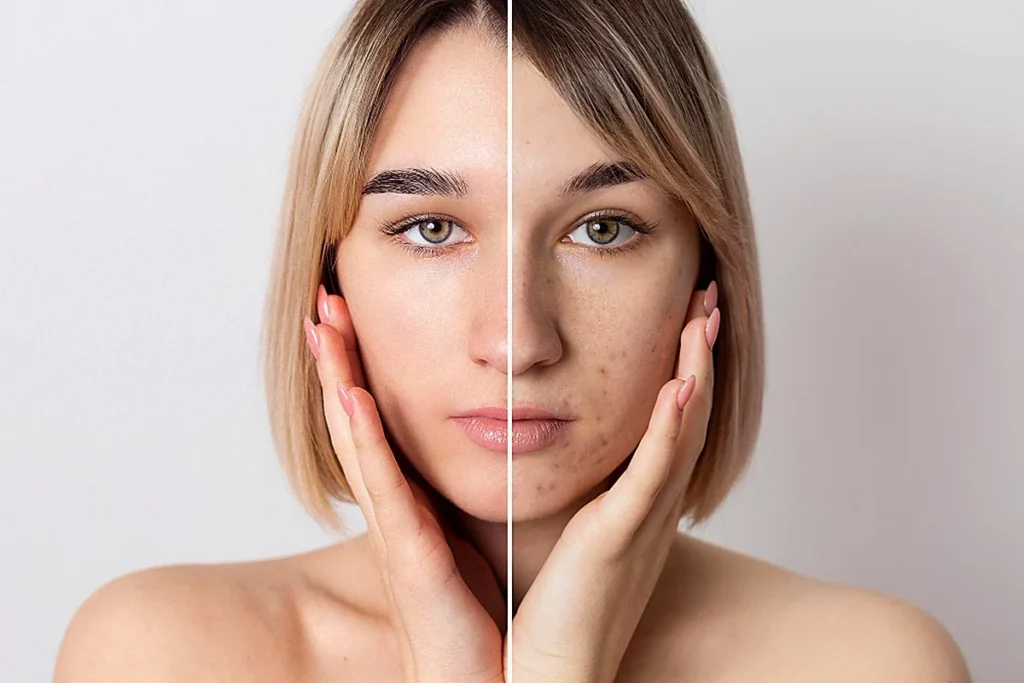
When considering acne scars treatment in Dubai, look for a properly licensed dermatologist or qualified medical professional whose training and scope of practice cover the proposed procedure.
During your consultation, ask:
- What type of acne scars do I have?
- Which treatment options are suitable for my skin tone and scar type?
- What improvement is realistic, and what are the limitations?
- How many sessions might be needed, and what is the likely recovery period?
- What side effects or complications should I understand?
- What alternatives are available if I decide not to have a procedure?
A personalised treatment plan should explain both potential benefits and risks, without promising guaranteed or permanent results.
Conclusion
Acne scars come in different forms, and choosing the right treatment begins with identifying the type of scarring and understanding your skin’s needs. Options such as microneedling, laser procedures, subcision, chemical peels, and targeted treatments may help selected scars, but each has limitations and potential risks.
If you are exploring acne scar treatment in Dubai, consult a qualified dermatologist for an assessment and an individualised plan. Clear expectations, appropriate aftercare, and control of active acne are important parts of long-term skin management.
Frequently Asked Questions
1. What is the best acne scar treatment in Dubai?
The most appropriate treatment depends on the scar type, depth, skin tone, and medical history. Options may include microneedling, laser procedures, subcision, chemical peels, or targeted techniques. A dermatologist can assess which options are suitable.
2. Can pitted acne scars be treated?
Pitted scars may improve with procedures selected according to their shape and depth. Ice pick, boxcar, and rolling scars can respond differently, and a combination of treatments may sometimes be considered. Complete removal cannot be guaranteed.
3. Can acne scars be removed permanently?
Treatment may reduce the visibility of acne scars, but results vary and complete removal is not always possible. Some scars may need ongoing management or additional procedures. A dermatologist can explain realistic expectations.
4. Are acne marks the same as acne scars?
No. Flat dark or red marks often reflect changes in pigmentation or redness after inflammation. Indented or raised scars involve structural changes in the skin. These concerns may require different treatments.
5. Is laser treatment safe for darker skin tones?
Some laser treatments may be suitable, but the risk of pigment changes varies with the device, settings, skin tone, and practitioner’s experience. A qualified dermatologist should assess the skin and explain alternatives and risks before treatment.
6. Should active acne be treated before acne scar procedures?
In many cases, controlling active acne first helps reduce the risk of new scars. The timing of procedures depends on the severity of acne and the treatment being considered. Your dermatologist can recommend the appropriate sequence.
Medical disclaimer: This article is for general educational purposes and does not replace professional medical advice, diagnosis, or treatment. Treatment suitability, risks, recovery time, and results vary between individuals.
Medical review required before publication: A qualified dermatologist or the clinic’s medical director should review this article, verify any clinic-specific claims, and approve the final content in accordance with applicable UAE requirements.
Category
Latest From Blog
Acne Scars Treatment: Types, Best Treatment Options and Expected Results
Melasma vs. Hyperpigmentation: Causes, Differences and Treatment Options in Dubai