Healthy-looking skin is influenced by several factors, including age, sun exposure, genetics, skincare habits and overall health. Over time, you may notice rough skin texture, fine lines, uneven pigmentation or a loss of radiance. These changes are common, but the right approach to skincare depends on your individual concerns and skin type.
A skin rejuvenation treatment in Dubai may involve professional skincare procedures, prescription treatments or a combination of approaches designed to improve the appearance and texture of the skin. The best option depends on your skin condition, medical history, expectations, and a qualified clinician’s assessment.
This guide explains common skin rejuvenation options, how they work and what to consider before choosing a treatment.
What Is Skin Rejuvenation?
Skin rejuvenation refers to treatments and skincare approaches intended to improve visible signs of skin ageing, uneven tone, rough texture and dullness. Depending on the concern, treatment may focus on supporting skin hydration, improving the appearance of pigmentation, reducing the visibility of fine lines or encouraging skin renewal.
Not every concern requires an in-clinic procedure. A consistent skincare routine, sun protection and appropriate treatment of underlying skin conditions can also make a difference.
People seeking facial skin rejuvenation in Dubai should begin with an assessment rather than selecting a procedure based only on online trends or promotional photographs.
Common Skin Concerns Skin Rejuvenation May Address
1. Uneven Skin Texture
Roughness, enlarged-looking pores, acne marks and superficial irregularities can make skin appear less smooth. These concerns may result from previous acne, sun damage, natural ageing or other skin conditions.
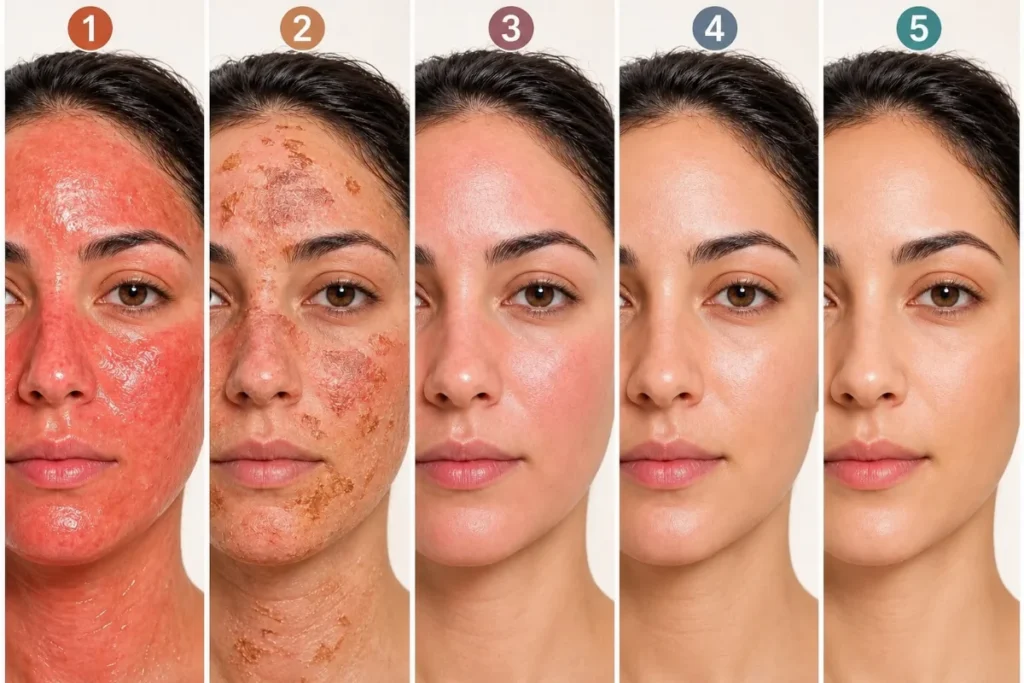
A clinician may recommend topical skincare, chemical peels or selected resurfacing procedures, depending on the cause and severity. Some treatments require downtime, while others may cause temporary redness, sensitivity or peeling.
The best approach depends on whether the texture concern comes from active acne, scarring, pigmentation or another condition.
2. Fine Lines and Early Signs of Ageing
Fine lines may develop as the skin changes with age and repeated sun exposure. Reduced skin elasticity, dryness and repeated facial expressions can also affect their appearance.
Anti-ageing skin treatments in Dubai may include moisturising skincare, topical retinoids when appropriate, selected laser procedures or other clinician-administered treatments. Different options address different concerns, so no single procedure is suitable for everyone.
Daily broad-spectrum sunscreen and a suitable moisturiser are important parts of a long-term skincare routine. A dermatologist can explain which additional treatments may be appropriate for your skin.
3. Uneven Skin Tone and Pigmentation
Dark spots and uneven skin tone can be associated with sun exposure, post-inflammatory hyperpigmentation, melasma or other skin conditions. Identifying the cause matters because these concerns may respond differently to treatment.
Depending on the diagnosis, a treatment plan may include sun protection, prescribed topical products or selected professional procedures. Melasma, for example, can be persistent and may worsen with sunlight or visible light exposure.
People with darker skin tones may have a greater risk of developing post-inflammatory pigmentation after certain procedures. A qualified clinician should consider skin tone, medical history and previous reactions before recommending treatment.
4. Dull or Dehydrated-Looking Skin
Skin may appear dull when it is dry, irritated or affected by a buildup of surface skin cells. Harsh cleansers, excessive exfoliation and unsuitable products can also affect the skin barrier.
Gentle cleansing, moisturising and appropriate sun protection may help improve the appearance of dehydrated skin. Depending on individual needs, a professional facial or other treatment may be considered.
A skin glow treatment in Dubai should not be selected based on the promise of an instant transformation. The focus should be on understanding what is causing the concern and choosing an appropriate, realistic approach.
Types of Skin Rejuvenation Treatments
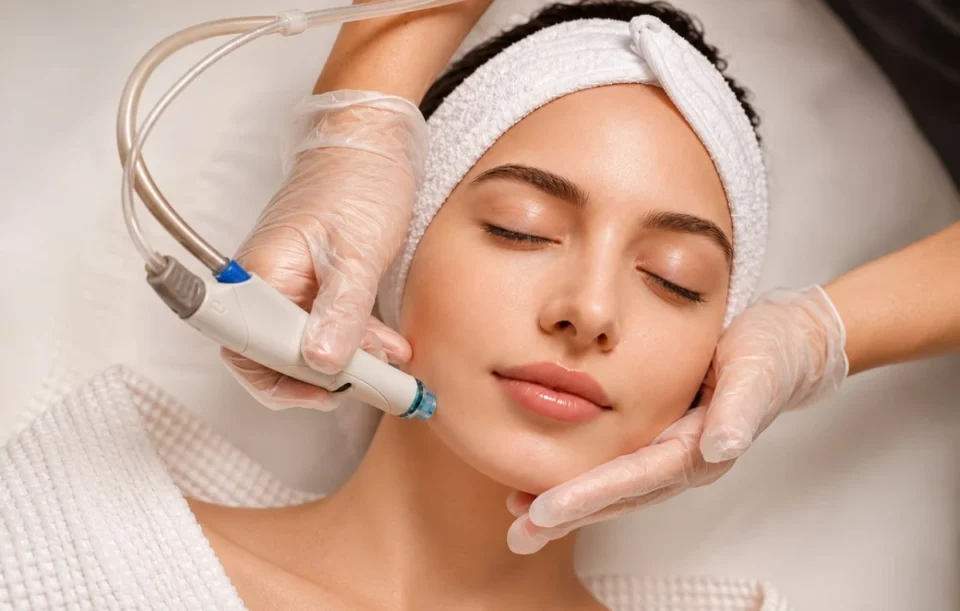
The treatment recommended will depend on your skin assessment and goals. Common options include the following.
Professional Facials
Professional facials may involve cleansing, exfoliation and moisturising products selected for your skin. They may help improve the temporary appearance of dryness or dullness, but results vary, and facials do not treat every skin condition.
People with active acne, rosacea, eczema or sensitive skin should discuss these conditions before undergoing a facial.
Chemical Peels
Chemical peels use selected acids or other agents to exfoliate the skin. Depending on the formulation and depth, they may help improve some forms of uneven pigmentation, superficial texture and acne-related concerns.
Possible side effects include redness, peeling, irritation, infection and changes in pigmentation. Deeper treatments can involve greater risks and recovery time. A trained, appropriately licensed professional should determine whether a peel is suitable.
Laser and Light-Based Treatments
Some laser and light-based procedures are used to address selected pigmentation concerns, redness, visible sun damage or skin texture. The appropriate technology depends on the condition being treated and the individual’s skin characteristics.
These treatments can cause temporary discomfort, swelling or redness. Burns, scarring and pigment changes are possible complications. Discuss the expected benefits, risks, alternatives and recovery period before proceeding.
Microneedling and Other Collagen-Stimulating Procedures
Microneedling creates controlled, tiny punctures in the skin and may be used for selected concerns, including certain types of acne scarring and texture irregularities. Results generally develop gradually and may require multiple sessions.
The procedure is not suitable for every skin condition. Infection, scarring and pigmentation changes are possible, particularly when treatment is performed incorrectly or on unsuitable skin.
Your clinician should explain whether microneedling or another collagen-stimulating procedure is appropriate for you.
How to Choose the Right Treatment
There is no universal skin rejuvenation treatment that works equally well for everyone. Before recommending a procedure, a qualified dermatologist or appropriately licensed clinician should assess your concerns and review relevant medical information.
Consider these questions during your consultation:
- What is causing the concern? Pigmentation, acne scarring, dryness and fine lines may need different approaches.
- What results are realistic? Ask what improvement may be possible and whether maintenance is required.
- What are the risks? Understand potential side effects, contraindications and recovery time.
- How many sessions may be needed? Some procedures involve several appointments, and outcomes vary.
- What alternatives are available? Skincare or medical treatment may be appropriate before a procedure is considered.
Share details about your current skincare products, allergies, previous procedures, medications and any history of pigmentation or sensitive skin.
How to Support Your Results at Home
A consistent skincare routine can support skin health alongside professional care.
- Use a gentle cleanser that suits your skin type.
- Apply a suitable moisturiser to help maintain the skin barrier.
- Use broad-spectrum SPF 30 or higher sunscreen daily, following the product instructions and reapplying as directed.
- Avoid excessive exfoliation or combining strong active ingredients without professional advice.
- Follow your clinician’s aftercare instructions, especially after peels, lasers or microneedling.
If you experience persistent irritation, sudden skin changes or a new or changing pigmented spot, seek medical advice instead of treating it solely as a cosmetic concern.
Frequently Asked Questions
Which skin rejuvenation treatment is suitable for my skin?
The suitable treatment depends on your skin type, the concern being addressed, your medical history and your goals. A professional assessment can help identify appropriate options and explain their risks.
Can skin rejuvenation improve fine lines and uneven skin tone?
Some treatments may improve the appearance of fine lines, pigmentation or texture. The extent of improvement varies, and some conditions require ongoing care rather than a single procedure.
Is skin rejuvenation suitable for sensitive skin?
Some treatments may be unsuitable for sensitive or inflamed skin. Tell your clinician about any history of irritation, rosacea, eczema or allergies before starting treatment.
How many sessions will I need?
The number of sessions depends on the treatment and the condition being addressed. Some options involve a course of treatments, while others may require maintenance. Your clinician can discuss a realistic plan after assessment.
What should I do before a skin rejuvenation procedure?
Discuss your medical history, medications, skincare products and previous treatments with your clinician. Follow the specific preparation instructions provided for your chosen procedure.
Book a Skin Assessment in Dubai
If you are concerned about uneven skin tone, fine lines, rough texture or dull-looking skin, a professional assessment can help you understand the available options.
At Minal Medical Centre, a qualified clinician can assess your skin concerns and discuss suitable skincare or treatment approaches based on your individual needs. Contact the clinic to arrange a consultation and learn more about skin rejuvenation treatment in Dubai.
Medical disclaimer: This article is for general educational purposes and is not a substitute for individual medical advice, diagnosis or treatment. Procedures carry potential risks, and results vary between individuals.


